
Why Oral Hygiene Matters: Can Teeth Decay Under Veneers?
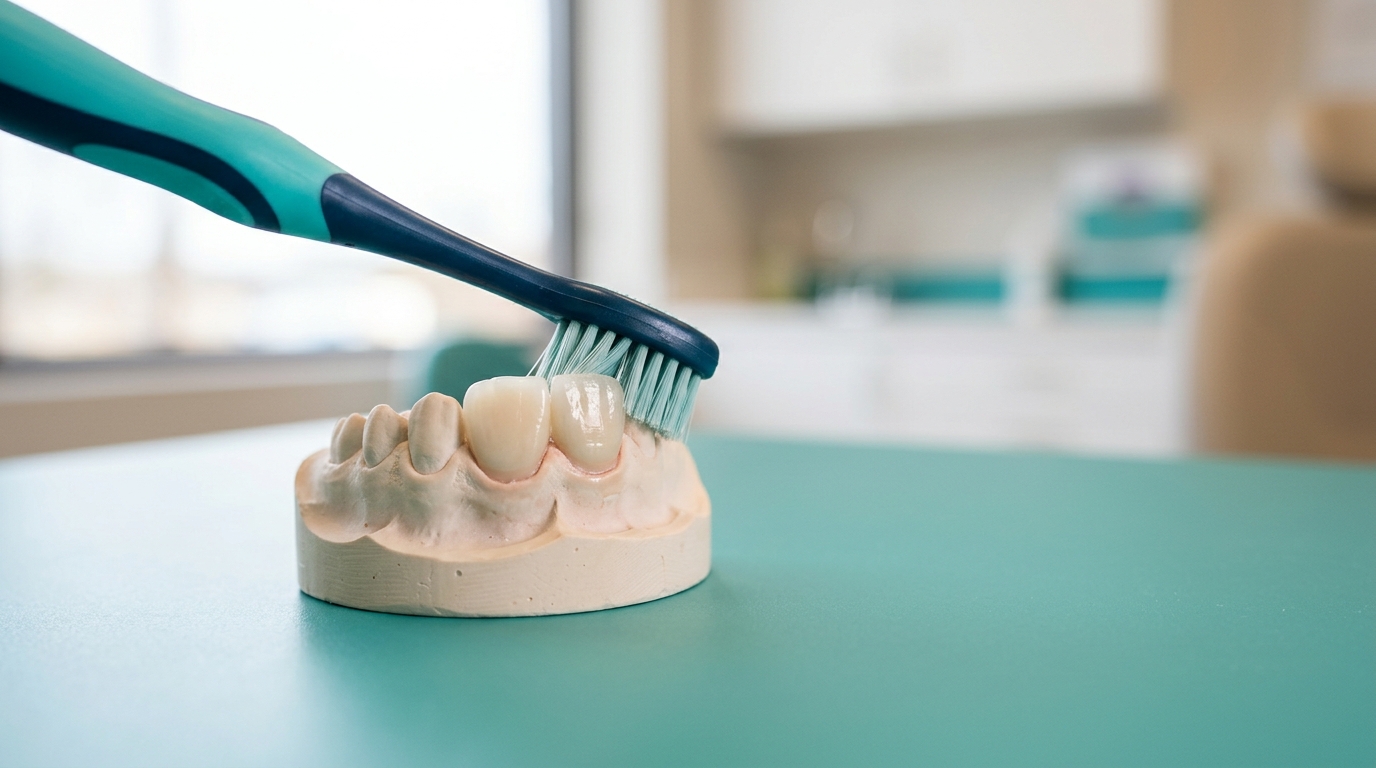
Veneers are commonly applied to address visible surface issues including discoloration, minor fractures, or shape irregularities. They are bonded to the front of natural teeth and depend on underlying tooth structure stability. Oral hygiene with veneers remains essential because the tooth beneath the veneer is still exposed to bacteria at the margins and along the gumline. When cleaning is not consistent, decay can develop without immediate detection. Understanding this process helps patients preserve both their veneers and supporting natural teeth.
Do Veneers Fully Protect Teeth From Decay?
Veneers enhance appearance but do not fully seal or enclose tooth structure. Only the front surface gets covered, leaving edges and surrounding enamel exposed to the oral environment. When plaque accumulates on tooth surfaces, bacterial byproducts can gradually weaken enamel. This process can happen at the veneer margin where it meets natural tooth. Veneers do not prevent bacterial activity; they depend on a healthy seal and consistent oral care to reduce decay risk.
How Can Teeth Decay Under Veneers?
Tooth decay beneath veneers typically develops gradually and may not cause early discomfort. Contributing factors include:
- Plaque accumulation at veneer margins: The junction between veneer and enamel can retain bacteria without thorough cleaning
- Irregular brushing or flossing: Plaque in tight spaces increases acid exposure to enamel
- Gum recession: Receding tissue exposes more natural tooth surface
- Grinding or clenching: Excessive force can compromise veneer bond integrity
- Delayed dental evaluations: Early enamel changes are more manageable when identified promptly
Daily hygiene plays a central role in protecting underlying teeth even with properly placed veneers.
Signs of Tooth Decay Beneath Veneers
Because veneers cover the visible tooth surface, early decay may not be obvious. Changes often occur along the gumline or beneath the veneer edge. Potential indicators include:
- Sensitivity to temperature or sweetness
- Discomfort when biting or chewing
- Darkening near the veneer margin
- Swollen or irritated gum tissue around the tooth
- A veneer that feels uneven or no longer fits smoothly
Dental professionals should evaluate these changes to prevent progression.
Why Oral Hygiene Matters Even More With Veneers
Veneers slightly alter how teeth meet the gums and surrounding tissues. While the veneer surface itself resists staining, plaque can still collect at the gumline and between teeth. Poor oral hygiene increases gum inflammation likelihood, exposing more enamel and weakening the veneer seal. Brushing removes plaque before acids affect enamel. Flossing cleans areas brushing alone cannot reach. Since veneers are intended for long-term use, maintaining underlying tooth health becomes especially important.
How to Care for Veneers and Prevent Decay
Daily veneer care follows the same principles as caring for natural teeth, with careful attention to margin cleaning. Beneficial habits include:
- Brushing twice daily with a soft-bristle toothbrush
- Using non-abrasive toothpaste to protect veneer surfaces
- Flossing gently along the gumline every day
- Avoiding biting hard objects that may stress the veneer
- Using a night guard if grinding or clenching occurs
Routine professional cleanings remove plaque and tartar from difficult-to-clean areas. Patients receiving veneers benefit from ongoing preventive evaluations monitoring both veneers and supporting teeth.
When to See a Dentist About Veneers
Regular dental visits help identify early changes that may not cause symptoms. An evaluation is appropriate if sensitivity develops, gum tissue changes, or a veneer feels loose or uneven. A dentist can examine veneer margins, assess gum health, and determine whether underlying tooth remains stable. Addressing issues early may prevent further tooth structure damage.
Protect Your Veneers With Preventive Dental Care
Veneers rely on healthy enamel and gums to function properly over time. Preventive dental care maintains the tooth structure supporting veneers and reduces decay risk beneath them. Consistent brushing, flossing, and professional monitoring support long-term oral health. At daily DENTAL & bracesbar, preventive care is approached as essential for maintaining restorations. With regular evaluation and appropriate daily care, veneers can remain stable, functional, and supportive of overall oral health.
Ready to Protect Your Smile?
Schedule a consultation with our team to discuss your dental health and treatment options.
Book an Appointment