
How Does Snacking Affect Your Oral Health?
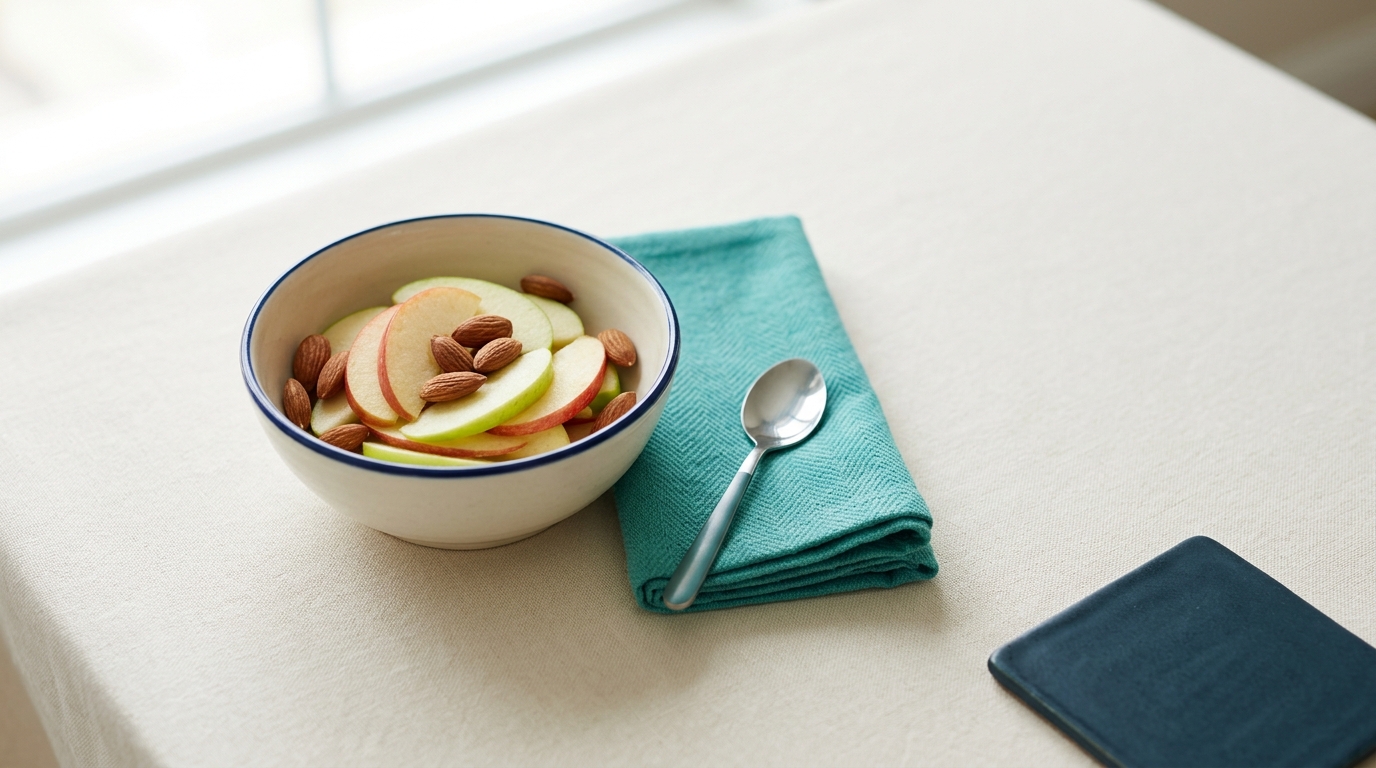
Today's fast-paced lifestyle has caused the need for regular snacking. While occasional snacking is enjoyable and can improve your mood and boost your energy, sometimes snacking can negatively impact your oral health. The damage may vary based on the type of snacks, oral hygiene practices, and the frequency of snacking. Read on to learn more about how snacking can affect your mouth and essential tips on maintaining a healthy mouth and body.
Common Types of Snacks and How They Affect Your Oral Health
- Sugary treats: Candies, sweets, gummy bears, and caramels are high in sugar. These sugars fuel oral bacteria that produce harmful acids eroding tooth enamel, leading to tooth sensitivity, decay, and cavities. These acids also irritate the gums to cause gum disease.
- Carbonated drinks: Soda, sports, and energy drinks contain sugars and acids contributing to enamel erosion, leading to discoloration, tooth sensitivity, and cavities.
- Sticky treats: Candies and dried fruits can stick to teeth, encouraging bacterial plaque and tartar buildup leading to tooth decay and gum disease if not eliminated promptly. Sticky items can also cause dental restorations like dentures to fall out.
- Potato chips and crackers: Although they might not taste sugary, these items are high in starch, fueling harmful oral bacteria.
- Fruit juices: High in sugars that fuel oral bacteria, increasing risk of oral infections like decay, thrush, and gum disease. Acidic fruit juices like grapefruits, lemons, and oranges can erode teeth, making them vulnerable to decay and sensitivity.
- Energy bars: Often high in sugars and artificial additives and can stick to your teeth, contributing to tooth decay and gum disease.
- Hard items: Raw nuts and seeds can cause teeth to crack or chip, compromising tooth health and potentially damaging dental restorations.
- Sweetened cereal: Some breakfast cereals contain added sugars, increasing cavity and decay risk.
Risks of Oral Issues Caused by Snacking
- Tooth sensitivity
- Tooth decay
- Tooth chips, cracks, and breaks
- Tooth discoloration
- Gum disease
- Dry mouth
- Dental restorations damage
Maintaining Healthy Snacking Habits
- Choose low-sugar and acidic foods: Eating tooth-friendly snacks low in acids and sugars significantly lowers decay and gum disease risk. Tooth-friendly foods include cheese, fresh fruits and vegetables, nuts, seeds, and yogurt.
- Limit snacking frequency: Reducing snacking treats can reduce oral issue risk.
- Stay hydrated: Drinking water after snacking helps wash away food particles and debris, reducing oral issue risk.
- Maintain excellent oral hygiene: Brush at least twice daily and floss daily to remove plaque and debris. Fluoride toothpaste helps strengthen teeth and protect against cavities.
- Chew sugar-free gum: This stimulates saliva production, neutralizing oral acids and washing away plaque and debris, lowering infection risk.
- Avoid hard or sticky items: Choose easily chewable snacks.
- Schedule routine dental checkups and cleanings: These help detect and address potential oral issues early, preserving oral health and maintaining healthy teeth.
- Be mindful of portion sizes: Limit snack numbers and amounts to minimize mouth damage.
- Choose healthier alternatives: If craving unhealthy snacks like sodas and sugar, consider alternatives like honey and fresh fruits.
Visit Our Dental Office
Do you need further information about snacking's impact or dental treatments? Contact daily DENTAL & bracesbar to speak with your dentist in Ohio.
Questions About Your Oral Health?
Schedule a visit to discuss healthy habits and preventive care with our team.
Book an Appointment