
5 Things To Take Care Of After Tooth Extraction Surgery
Dentists preserve natural teeth when possible through restorative treatments like fillings, root canals, or crowns. However, extraction becomes necessary for severely damaged teeth. Common reasons for extraction include severe decay, fractures, gum disease, dental injuries, impacted wisdom teeth, and overcrowding.
Two extraction types exist: simple extraction for visible, accessible teeth using forceps, and surgical extraction for teeth trapped below the gum line.
How Surgical Extraction Works
The surgeon administers anesthetic before making an incision through gums and bone surrounding the tooth. Using forceps, they extract the tooth, potentially breaking it into smaller pieces if necessary. Stitches may be applied for faster healing, and patients bite gauze to control bleeding.
After a Tooth Extraction: Caring for Your Mouth
1. Bite on the Gauze
Minor bleeding is normal post-extraction. Patients should bite on gauze firmly until the bleeding stops. For heavy bleeding, a tea bag works effectively.
Critical actions to avoid include smoking, drinking through straws, harsh rinsing, spitting, sucking, and alcohol consumption - these can dislodge blood clots and cause dry socket, leading to infections, severe pain, and potential jawbone or nerve damage.
2. Minimize Pain and Swelling
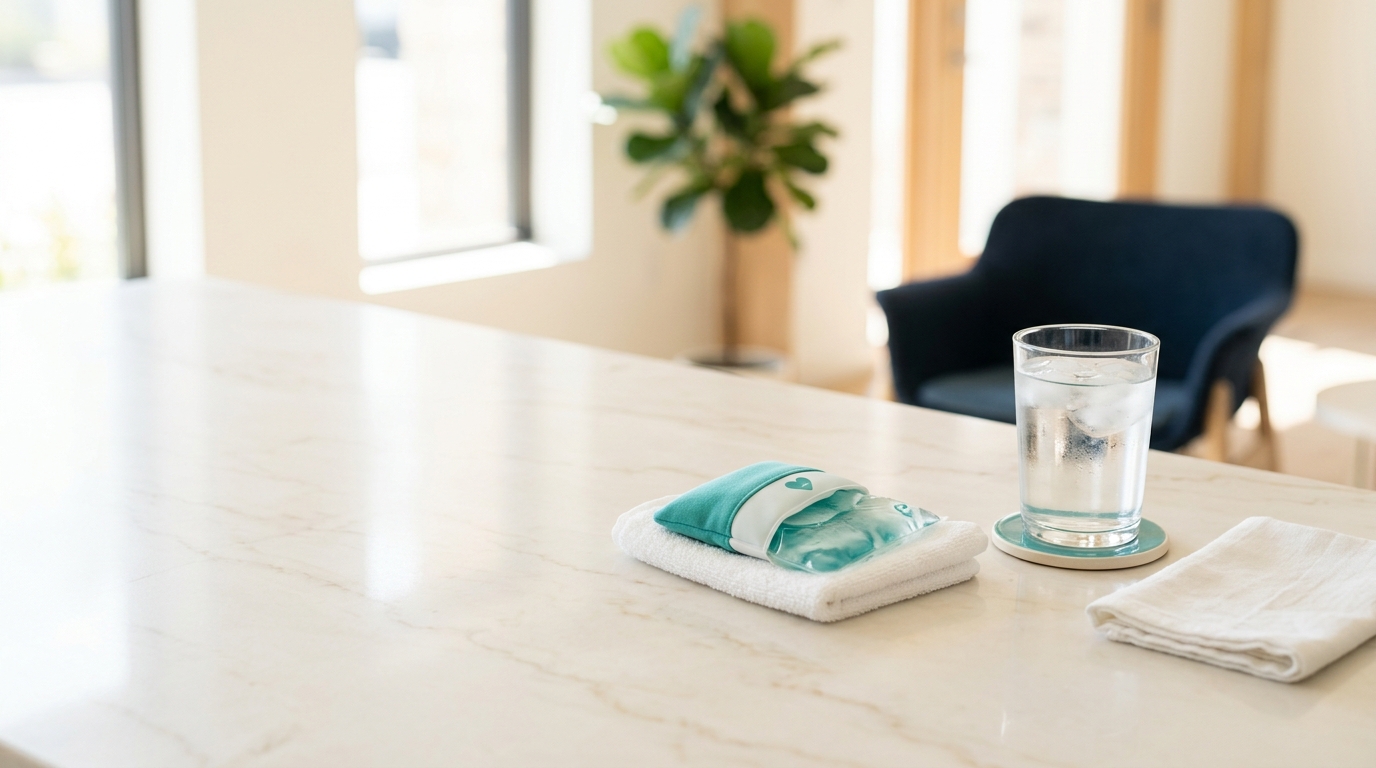
Pain, soreness, and swelling are expected. Prescribed medications help reduce symptoms. Applying ice packs to the cheek for 15-minute intervals provides additional relief. Most discomfort subsides within days; persistent symptoms warrant immediate dental contact.
3. Rest Adequately
For 48 hours following surgery, patients should avoid strenuous activities and heavy lifting, as these increase head blood pressure and risk severe bleeding or dry socket. Keeping the head elevated promotes blood flow away from the extraction site.
4. Eat a Soft Diet
Eating promotes wound healing but should begin only after anesthetic completely wears off to prevent accidentally biting soft tissues. Hard, chewy, and crunchy foods disturb the extraction socket, causing increased irritation and bleeding.
Recommended soft foods include soup, oatmeal, yogurt, pudding, broth, mashed potatoes, scrambled eggs, and soft fish.
5. Maintain Excellent Oral Hygiene
Proper oral hygiene prevents surgical site infection. Brushing and flossing near the extraction area should be avoided for 48 hours. Instead, rinse with saltwater solution to prevent infection and remove debris and bacteria.
When to Call the Dentist
Contact your dentist immediately if experiencing:
- Severe pain persisting beyond normal timeframes
- Severe bleeding
- Significant swelling around the extraction site
- Fever and chills
Need Post-Extraction Care?
Contact our team if you have concerns about your recovery after a tooth extraction.
Book an Appointment